The Reality of Using Tretinoin Gel for Your Skin
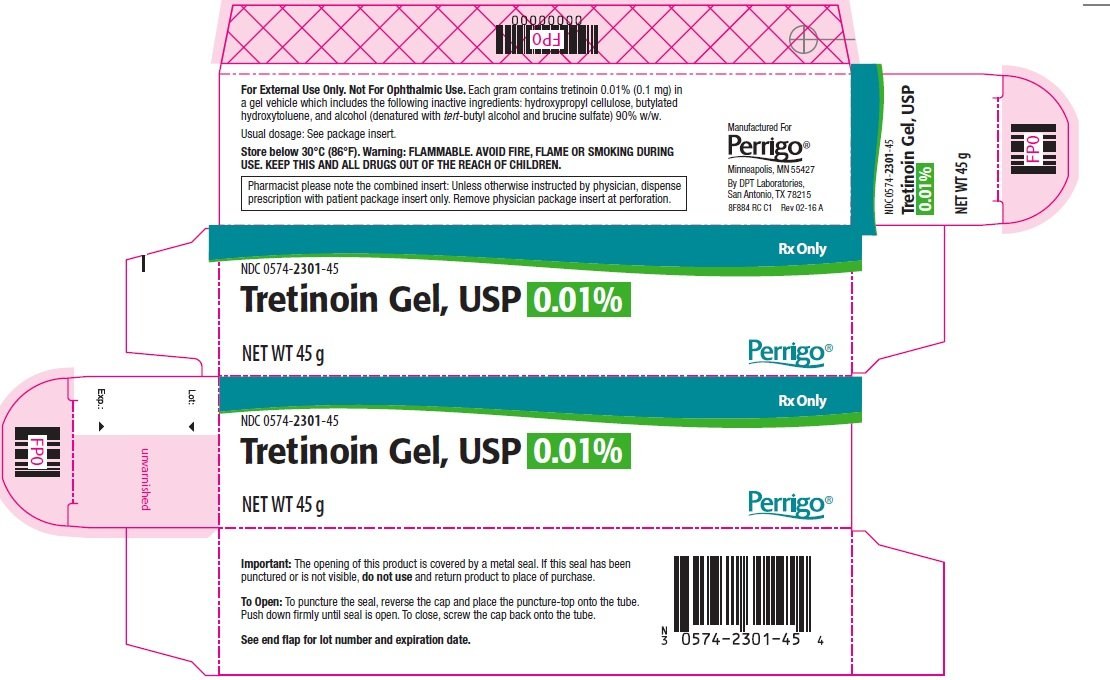
How do I actually use tretinoin gel without destroying my face? You have to start by accepting that your skin is going to change, and it won’t always feel good at first. This isn’t a moisturizer you slap on because you had a long night; it’s a potent retinoid that requires patience and respect. If you’ve looked in the mirror at fine lines or stubborn congestion, you’ve probably heard about this gold standard of skincare. It isn’t a magic potion. It’s a biological accelerator that tells your skin cells to turn over faster, which clears out old, damaged junk and brings fresh cells to the surface. The transition period is where most people fail. They dive in headfirst, apply a thick layer like a clay mask, and then wonder why their cheeks are peeling off by Tuesday. Treat this stuff like a delicate chemical process, not a cosmetic luxury.
The Biological Shift and What Happens Under the Surface
When you apply the gel, you’re essentially signaling your epidermis to pick up the pace. Your natural cell turnover cycle slows down as you age, but this gives it a massive nudge. This means dead skin cells that usually sit on the surface, clogging pores and making your complexion look dull, get pushed out much faster. This rapid turnover is a double-edged sword. You might get that “glow” as new, healthy cells reach the top, but your skin’s natural barrier can get overwhelmed. If you push too hard, too fast, you’ll get “retinoid dermatitis.” That’s just a fancy way of saying your skin is angry, red, and very dry. Think of it like training for a marathon. You don’t run twenty miles on your first day of jogging. You start with short intervals. Skin is the same. You’re teaching your cells how to handle increased metabolic activity. If you skip the “training” phase, your skin barrier will crack, leading to stinging and inflammation. You might also notice “purging.” This happens when accelerated turnover pushes existing congestion to the surface all at once. It feels like you have more acne than before, but you’re actually just clearing out the backlog. It’s a frustrating, messy middle ground that tests your resolve. The texture of the gel matters too. A gel is thinner than a cream and penetrates more deeply, which can feel more intense. It dries quickly and can feel tight, so your moisturizer becomes much more important than it was before you started.
Navigating the Purge and the Irritation Phase
Most people expect immediate results, but the first few weeks are usually just damage control. You might deal with redness, flaking, or tightness. This isn’t a sign that the product is bad; it’s a sign that your skin is adjusting to the increased speed of cell production. I remember a client, Sarah, who decided to use a high-strength gel every single night starting in week one. By day ten, her skin was so sensitive that even a gentle, fragrance-free cleanser felt like sandpaper. She thought she was having an allergic reaction, but she was simply overdoing it. The best way to avoid Sarah’s mistake is the “sandwich method.” Apply a thin layer of moisturizer, then your tretinoin gel, then another layer of moisturizer on top. This creates a buffer that slows absorption slightly, making the transition much easier on your skin’s barrier.
- Frequency: Start with two or three nights a week, not every night.
- Quantity: Use a pea-sized amount for the entire face. Using more does not work faster; it only causes more irritation.
- Timing: Apply only to completely dry skin. Applying it to damp skin increases absorption and can lead to excessive peeling.
- Sun Protection: This is non-negotiable. Tretinoin makes your skin more sensitive to UV rays.
If your skin stings when you apply basic moisturizer, you’ve gone too far. Take a few days off. Let your barrier recover before you try the gel again. You aren’t losing progress by taking a break; you’re preventing long-term damage to your skin’s moisture levels.
Building a Regimen That Actually Works
A common mistake is using too many active ingredients at once. If you are using tretinoin, retire the harsh exfoliating acids, the physical scrubs, and the high-percentage Vitamin C serums for a while. Using them in the same window as your gel is a recipe for a chemical burn. Your routine should be stripped back to the basics: a gentle cleanser, the tretinoin gel, and a heavy-duty, ceramide-rich moisturizer. That’s it. You don’t need a twelve-step routine when you are working with a powerhouse like this. Complexity is usually the enemy of a healthy skin barrier. HappyHealth Tretinoin Gel can be a foundational part of this routine, but only if the rest of your products support it. If you use a harsh, foaming cleanser that strips your natural oils, you are making the tretinoin’s job much harder and your irritation much worse.
| Ingredient Type | Status During Tretinoin Use | Why? |
|---|---|---|
| Hyaluronic Acid | Excellent | Attracts moisture without irritation. |
| Ceramides | Essential | Rebuilds the skin barrier. |
| Salicylic Acid | Caution | Can cause excessive dryness if used together. |
| Glycolic Acid | Avoid | Too much exfoliation at once. |
Consistency is the only metric that matters. You won’t see a difference in how your skin looks in a week. You might not see a difference in a month. Usually, the real benefits, the smoothing of fine lines and the clearing of texture, become visible around the three or four-month mark. Is it worth the potential redness and the initial breakout? For most people who stay consistent, the answer is yes. The goal isn’t just to fix a current problem, but to maintain skin health as you move through different stages of life.
Managing Expectations and Long-Term Maintenance
Once you move past the initial adjustment period, you enter the maintenance phase. This is when the skin feels “stable.” You won’t be peeling constantly, but you’ll notice your skin feels smoother and looks more even in tone. Your pores might even look smaller because they aren’t being clogged as often. Maintenance doesn’t mean you stop using it, but you might change how you use it. Some people find that once they’re “tret-adapted,” they can use it every night. Others find that three times a week is enough to maintain results without the irritation. Listen to your skin. Avoid the temptation to “up” your dose just because you aren’t seeing a massive change overnight. The biological process of skin remodeling is slow. You are working with the speed of human biology, not a social media filter. If you try to rush it, you’ll just end up back in the “red and peeling” phase. One final thing: your skin’s needs change with the seasons. In the winter, when the air is dry and the heating is on, you might need to be much more aggressive with moisturizing and much more conservative with your gel. Your skin isn’t a static object; it’s a living organ that responds to its environment. Don’t expect a miracle overnight, but do expect a transformation if you are disciplined.
Quick answers
What is tretinoin gel used for?
Tretinoin gel is a topical retinoid used to treat acne, reduce fine lines, and improve skin texture by increasing cell turnover.
How should I apply tretinoin gel?
Apply a pea-sized amount to a completely dry face at night, avoiding the eye area, lips, and nostrils.
Can I use tretinoin gel during the day?
It is best to use tretinoin at night because sunlight can deactivate the ingredient and increase skin sensitivity.
What are the common side effects of tretinoin gel?
Common side effects include skin redness, dryness, peeling, and increased sensitivity to the sun.
How long does it take to see results with tretinoin?
It typically takes 8 to 12 weeks of consistent use to see noticeable improvements in acne or skin texture.