The Reality of Fluoxetine: Navigating Prozac and Its Generics
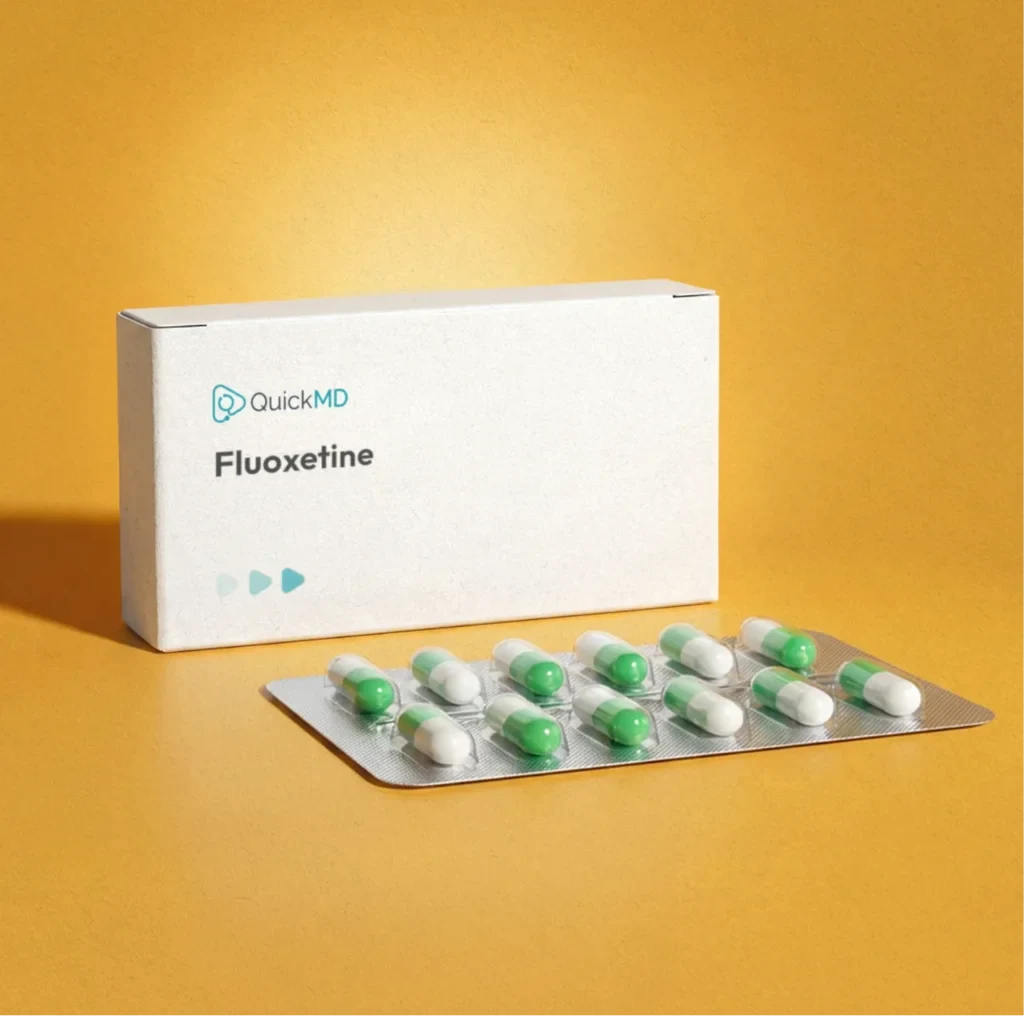
People often assume the brand name on a prescription bottle is what makes a drug work, but that’s an expensive mistake. for antidepressants, the chemistry is actually pretty simple. For a lot of patients, choosing between the original Prozac and a generic isn’t a choice about efficacy, it’s just a choice between paying a premium for a name or paying for the exact same molecule.
The reality is that fluoxetine is a selective serotonin reuptake inhibitor (SSRI) used for several different things, like depression, OCD, and bulimia. While Prozac is the famous name you see on TV, the generic fluoxetine has the same active ingredient and usually costs much less.
What exactly is the difference between Prozac and generic fluoxetine?
The difference is mostly about branding and who makes it. Prozac is a trademarked name owned by Eli Lilly, but fluoxetine is just the name of the chemical itself. At the pharmacy, you might get a bottle labeled Prozac, or you might get one that says Fluoxetine Capsules, USP. They do the same job.
Generic makers have to follow strict FDA standards to prove their versions are bioequivalent to the brand-name version. They have to match the active ingredient, strength, dosage form, and how the drug is administered. The inactive ingredients, like fillers or dyes, might be slightly different, but that rarely changes how the medicine works in your body.
For most people, the real difference is the cost. High prices can make it hard to stay consistent with treatment, which is a major problem for maintaining mental health stability. Using the Teva generic version of fluoxetine capsules is one way to keep costs down without changing how the medication actually works.
It’s a practical move. A “brand name” can carry a psychological weight that makes people feel like the pill is better, but your biology doesn’t care about the logo on the bottle. If the molecules are the same, the effect should be too.
| Feature | Prozac (Brand) | Fluoxetine (Generic) |
|---|---|---|
| Active Ingredient | Fluoxetine Hydrochloride | Fluoxetine Hydrochloride |
| FDA Approved | Yes | Yes |
| Cost | Higher | Lower |
| Chemical Identity | Identical | Identical |
What conditions do doctors treat with this medication?
Fluoxetine isn’t a “one size fits all” pill for every mood disorder. It’s used for specific, diagnosed conditions. According to DrugBank, fluoxetine is a selective serotonin reuptake inhibitor used to treat major depressive disorder, bulimia, OCD, and premenstrual dysphoric disorder. It’s also a common choice for panic disorder.
Major Depressive Disorder (MDD) is the most common reason for a prescription. In these cases, the goal is to increase serotonin availability in the brain to help regulate mood, sleep, and appetite. For someone with OCD, the medication helps target the intrusive thoughts and repetitive behaviors that define the disorder.
Dosage also depends on age. For example, the FDA-approved label for PROZAC® says it’s indicated for both the acute and maintenance treatment of Major Depressive Disorder in adults and children. That makes it a versatile part of a psychiatrist’s toolkit.
Bulimia nervosa is another use. Here, the medication helps reduce how often someone experiences binge eating and purging. Because it affects serotonin processing, it can help stabilize the impulses behind those behaviors.
How is the dosage typically managed?
Doctors don’t just hand out a prescription and walk away; getting the dose right is a careful process. For an adult starting treatment for Major Depressive Disorder, there’s usually a standard starting point. According to DailyMed, the initial treatment for adults often starts at 20 mg per day, taken orally in the morning.
Many people take it in the morning because the medication can be a bit stimulating. If you don’t see enough improvement after a few weeks, a doctor might increase the dose. You shouldn’t jump to a higher dose too quickly, though, because that can trigger more side effects.
Consistency is the most important part. Skipping doses can lead to “fluoxetine discontinuation syndrome” or a return of your symptoms. Fluoxetine has a very long half-life compared to other SSRIs, so it stays in your system longer. That makes it a bit more forgiving if you miss a single dose, but you shouldn’t rely on that.
The prozac active ingredient works by slowly building up in your system. You won’t feel anything after the first pill. It usually takes a few weeks of daily use before you feel the full effect. It requires patience.
- Initial Adult Dose: 20 mg/day in the morning.
- Maintenance: Often 20 mg to 60 mg daily.
- Pediatric Use: Specific dosages based on weight and age.
- Timing: Generally morning to avoid insomnia.
What are the common side effects and interactions?
No medication is perfect. When you first start fluoxetine, many people deal with side effects that usually fade as the body adjusts. These often include nausea, headaches, or changes in sleep. Some people feel more anxious or jittery during the first week or two.
Weight changes come up a lot, too. Some users lose weight initially because of a decreased appetite, while others might gain weight over long-term use. It varies based on your metabolism and individual neurochemistry.
The biggest concern is drug interactions. Because fluoxetine is processed by certain liver enzymes, it can change how your body handles other drugs, which can lead to dangerous levels of medication in your blood. For instance, mixing SSRIs with NSAIDs (like ibuprofen) can increase bleeding risks. You must also avoid MAOIs (Monoamine Oxidase Inhibitors) while taking it.
Always tell your doctor everything you’re taking, including:
- Over-the-counter pain relievers.
- St. John’s Wort.
- Certain cough syrups and antibiotics.
- Other antidepressants or anti-anxiety medications.
How much should I expect to pay?
The cost of mental health meds can be a huge burden. Pricing for fluoxetine varies depending on your location and pharmacy, but it’s generally much more affordable than many other psychiatric drugs.
Data from GoodRx shows a massive gap between the brand and the generic. Fluoxetine capsules can be as low as $3.00, while tablets might be around $11.10. If you’re paying for brand-name Prozac, you’re paying a premium that doesn’t change the chemistry of what you’re swallowing.
You should always ask for the generic. Pharmacists are usually required to tell you if a cheaper version is available, but if they don’t, just ask. There is no medical reason to pay more for the same amount of fluoxetine hydrochloride unless your doctor specifically required a brand-name version for a specific reason.
Smart shopping helps. Using a discount card or comparing pharmacy chains can save you a lot of money over a year, money that could be used for other things.
The chemistry is identical; the price is the only real variable.